



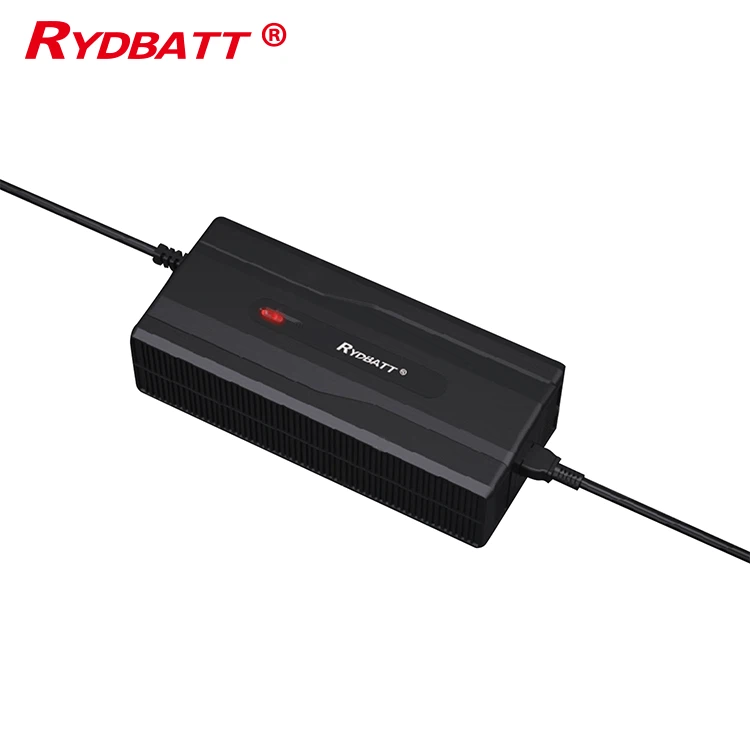
As a supplier of 54.6V 2A chargers, I understand the importance of proper storage for these chargers. Ensuring that your chargers are stored correctly not only extends their lifespan but also maintains their performance and safety. In this blog, I'll share some key tips on how to store a 54.6V 2A charger properly.
Clean the Charger Before Storage
Before you put the charger away, it's essential to clean it thoroughly. Dust, dirt, and debris can accumulate on the charger over time, which may affect its electrical conductivity and potentially cause overheating or short - circuits. Use a soft, dry cloth to wipe the exterior of the charger, including the plug, cable, and the charging port. If there are stubborn stains, you can slightly dampen the cloth with water, but make sure it's not too wet. Avoid using harsh chemicals or abrasive materials as they can damage the charger's surface.
Choose the Right Storage Environment
The storage environment plays a crucial role in the longevity of your charger.
Temperature
Extreme temperatures can have a negative impact on the charger's components. High temperatures can cause the charger's internal components to expand, which may lead to loose connections or even component failure. On the other hand, low temperatures can make the plastic parts brittle and affect the performance of the battery cells inside the charger (if applicable). The ideal temperature range for storing a 54.6V 2A charger is between 20°C and 25°C (68°F - 77°F).
Humidity
Humidity is another factor to consider. High humidity can cause corrosion on the charger's metal parts, such as the plug and the internal circuit board. It can also lead to the growth of mold, which can damage the charger's insulation and other components. Aim for a humidity level of around 40% - 60%. If you live in an area with high humidity, you can use a dehumidifier in the storage area or store the charger in a sealed container with a desiccant packet.
Ventilation
Proper ventilation is necessary to prevent the build - up of heat and moisture. Avoid storing the charger in a closed, air - tight space. A well - ventilated closet or a storage cabinet with vents is a good choice. This helps to maintain a stable temperature and humidity level around the charger.
Protect the Charger from Physical Damage
Physical damage can occur during storage if the charger is not properly protected.
Use a Protective Case
Invest in a good - quality protective case for your charger. A hard - shell case can protect the charger from being crushed or bumped. If you don't have a hard - shell case, you can use a soft, padded pouch to protect the charger from scratches and minor impacts.
Avoid Overcrowding
When storing the charger, make sure it's not overcrowded with other items. Overcrowding can cause the charger to be bent, twisted, or crushed. Leave enough space around the charger to prevent any physical damage.

Store the Charger with the Cable Properly
The cable is an important part of the charger, and improper cable storage can lead to damage.
Coil the Cable Correctly
Avoid coiling the cable too tightly, as this can cause kinks and damage the internal wires. Instead, loosely coil the cable in a large loop and secure it with a cable tie or a Velcro strap. This helps to maintain the integrity of the cable and prevents it from getting tangled.
Don't Bend the Cable at Sharp Angles
Bending the cable at sharp angles can also damage the internal wires. When storing the charger, make sure the cable is bent gently and smoothly.
Check the Charger Periodically
Even when the charger is in storage, it's a good idea to check it periodically.
Visual Inspection
Every few months, take the charger out of storage and perform a visual inspection. Look for any signs of damage, such as cracks, discoloration, or loose parts. If you notice any issues, it's best to have the charger inspected by a professional before using it again.
Function Testing
You can also perform a simple function test on the charger. Plug it into a power source and connect it to a compatible device (if possible). Check if the charger is working properly and if the device is charging as expected.
Related Products
If you're interested in other charger products, we also offer a 54.6V 5A Li - ion Smart Charger and a Li Ion Battery Charger 54.6 V. For those with different voltage and current requirements, our E - Bike Charger 42V 3A is also a great option.
Conclusion
Proper storage of a 54.6V 2A charger is essential to ensure its longevity, performance, and safety. By following these tips, you can protect your charger from damage and keep it in good working condition for a long time. If you have any questions about charger storage or are interested in purchasing our chargers, feel free to reach out to us for more information and to start a procurement discussion.
References
- "Electrical Equipment Storage Guidelines" - Industry Standards Publication
- "Battery Charger Maintenance and Storage Best Practices" - Journal of Electrical Appliance Maintenance


