



In the world of lithium - ion battery chargers, one crucial safety feature that often comes under scrutiny is reverse - polarity protection. As a well - established supplier of lithium - ion battery chargers, I've witnessed firsthand the importance of this feature in ensuring the safety and longevity of both the charger and the battery.
Understanding Reverse - Polarity
Before delving into whether lithium - ion battery chargers have reverse - polarity protection, it's essential to understand what reverse - polarity means. In an electrical circuit, polarity refers to the direction of the flow of electric current. In a battery charger, the positive and negative terminals of the charger must be correctly connected to the corresponding terminals of the battery. When the connections are reversed, i.e., the positive terminal of the charger is connected to the negative terminal of the battery and vice versa, this is known as reverse - polarity.
Reverse - polarity can have severe consequences. It can cause overheating, short - circuits, and even permanent damage to the battery and the charger. In some cases, it can also pose a fire hazard, making it a significant safety concern.
The Need for Reverse - Polarity Protection
Lithium - ion batteries are widely used in various applications, from small electronic devices like smartphones and laptops to large - scale energy storage systems. Given their widespread use, the risk of incorrect connections is relatively high. For example, in a busy workshop or a home environment, users may accidentally reverse the connections while trying to charge their batteries.
Reverse - polarity protection is designed to prevent the charger from operating when the connections are reversed. This not only protects the charger and the battery from damage but also ensures the safety of the user. Without this protection, a simple mistake in connection can lead to costly repairs or even dangerous situations.
Do Li - Ion Battery Chargers Have Reverse - Polarity Protection?
The answer is that many modern lithium - ion battery chargers do come with reverse - polarity protection. As a supplier, we understand the importance of this feature and strive to provide chargers that are as safe as possible.
Our Li Ion Battery Charger 54.6 V is a prime example. This charger is equipped with advanced circuitry that can detect reverse - polarity connections. When a reverse - polarity connection is detected, the charger automatically shuts down, preventing any current from flowing and protecting the battery and the charger from damage.

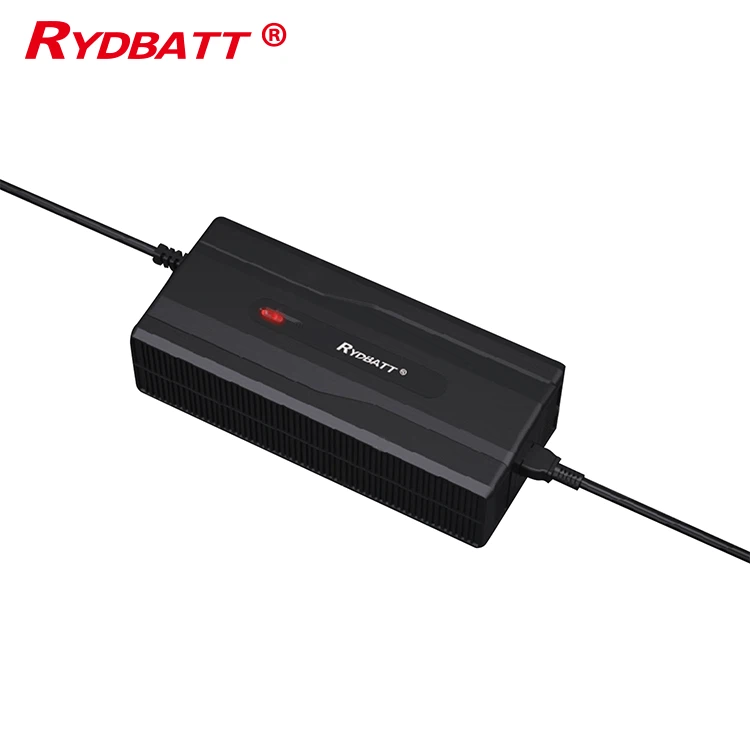
Similarly, our 54.6V 5A Li - ion Smart Charger also features reverse - polarity protection. The smart charging algorithm in this charger continuously monitors the connection and the charging process. If a reverse - polarity situation occurs, the charger immediately stops the charging process and alerts the user, usually through an indicator light or a beep sound.
Our 54.6V 2A Charger is another product that offers reverse - polarity protection. This charger is designed for smaller lithium - ion batteries, but it doesn't compromise on safety. The built - in protection circuit ensures that the charger remains safe even in the event of a reverse - polarity connection.
How Reverse - Polarity Protection Works
There are several ways in which reverse - polarity protection can be implemented in lithium - ion battery chargers. One common method is to use a diode - based circuit. A diode allows current to flow in only one direction. In a charger with reverse - polarity protection, a diode is placed in the circuit in such a way that when the connections are correct, the current can flow through the charger and into the battery. However, when the connections are reversed, the diode blocks the current, preventing it from flowing and thus protecting the charger and the battery.
Another method is to use a more advanced electronic circuit that can detect the polarity of the connection. This circuit continuously monitors the voltage at the terminals of the charger. If it detects that the voltage is reversed, it sends a signal to the charger's control unit, which then shuts down the charger.
Benefits of Reverse - Polarity Protection
The benefits of reverse - polarity protection are numerous. Firstly, it enhances the safety of the charging process. By preventing damage to the battery and the charger, it reduces the risk of fire and other safety hazards. This is especially important in applications where lithium - ion batteries are used in close proximity to people, such as in electric vehicles or home energy storage systems.
Secondly, it increases the lifespan of the battery and the charger. Repeated reverse - polarity connections can cause irreversible damage to the battery's internal structure and the charger's components. With reverse - polarity protection, these components are protected from such damage, ensuring that the charger and the battery can be used for a longer period.
Finally, it provides peace of mind for the user. Knowing that the charger has reverse - polarity protection, users can charge their batteries without worrying about making a simple connection mistake. This is particularly beneficial for novice users or those who are not familiar with the technical aspects of battery charging.
Conclusion
In conclusion, reverse - polarity protection is an essential feature in modern lithium - ion battery chargers. As a supplier, we are committed to providing high - quality chargers that are equipped with this important safety feature. Our Li Ion Battery Charger 54.6 V, 54.6V 5A Li - ion Smart Charger, and 54.6V 2A Charger are all designed to offer reliable reverse - polarity protection, ensuring the safety and longevity of your lithium - ion batteries.
If you are in the market for a lithium - ion battery charger, we encourage you to consider our products. Our chargers not only provide excellent performance but also prioritize safety. Whether you are a professional in the industry or a consumer looking for a reliable charger for your personal use, we have the right solution for you. Contact us today to discuss your specific requirements and explore how our chargers can meet your needs.
References
- Battery University. Lithium - Ion Batteries: A Guide to Charging and Discharging.
- IEEE Transactions on Power Electronics. Research on Safety Features in Lithium - Ion Battery Chargers.
- International Electrotechnical Commission (IEC) Standards for Battery Chargers.


