



Can the E - Bike Charger 42V 3A Charge a Battery with a Low Capacity?
As a supplier of the E - Bike Charger 42V 3A, I often encounter questions from customers regarding the compatibility of our charger with low - capacity batteries. In this blog post, I'll delve into the technical aspects to provide a comprehensive answer.
Understanding the Basics of E - Bike Chargers and Batteries
Before we discuss whether the E - Bike Charger 42V 3A can charge a low - capacity battery, it's essential to understand the fundamental concepts of chargers and batteries.
The voltage and current ratings of a charger are crucial specifications. Our E - Bike Charger 42V 3A has a voltage output of 42 volts and a maximum current output of 3 amperes. The voltage of a charger must match the battery's voltage requirements for safe and efficient charging. A battery's capacity is typically measured in ampere - hours (Ah). A low - capacity battery has a relatively small Ah value, which means it can store less electrical energy compared to a high - capacity battery.
Compatibility in Terms of Voltage
The voltage of the charger is the primary factor in determining compatibility. For a battery to be charged safely, the charger's output voltage should be equal to or slightly higher than the battery's nominal voltage. In the case of our E - Bike Charger 42V 3A, it is designed to charge batteries with a nominal voltage of around 42V.
Most lithium - ion batteries used in e - bikes have specific voltage requirements. A 42V charger is commonly used for lithium - ion batteries with a nominal voltage of 36V (the fully - charged voltage of a 36V lithium - ion battery is around 42V). As long as the low - capacity battery has a nominal voltage that is compatible with the 42V output of our charger, it can, in theory, be charged.
Considerations Regarding Current
The current output of the charger also plays a significant role. Our charger has a maximum current output of 3A. When charging a low - capacity battery, the high current output of 3A might seem like a potential problem. However, modern chargers are often equipped with intelligent charging circuits.
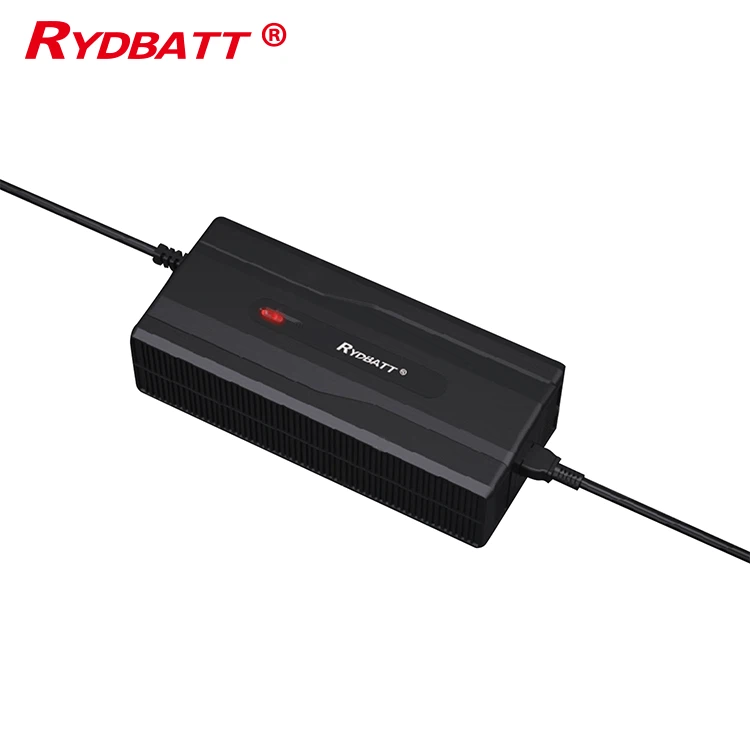

These circuits can adjust the charging current based on the battery's state of charge and its capacity. When charging a low - capacity battery, the charger can reduce the charging current to a safe level. For example, if the battery has a very low capacity and cannot handle a 3A charging current, the charger's internal circuitry will limit the current to a lower value, preventing over - charging and over - heating.
Benefits of Using the E - Bike Charger 42V 3A for Low - Capacity Batteries
One of the advantages of using our E - Bike Charger 42V 3A for low - capacity batteries is its efficiency. Even though the charger has a relatively high maximum current output, its intelligent design ensures that the battery is charged efficiently without causing damage.
It also offers a fast - charging option. If the low - capacity battery can handle a higher charging current, the charger can deliver up to 3A, reducing the charging time significantly. This is particularly useful for users who need to get back on the road quickly.
Potential Risks and Precautions
While the E - Bike Charger 42V 3A can charge low - capacity batteries, there are still some risks to be aware of. If the battery has a damaged or faulty internal structure, the charging process might not be safe. It's important to inspect the battery before charging to ensure its integrity.
Also, if the battery has a very low capacity and the charger fails to adjust the current properly, over - heating can occur. To mitigate these risks, users should always follow the manufacturer's instructions and use the charger in a well - ventilated area.
Comparison with Other Chargers
To give you a better perspective, let's compare our E - Bike Charger 42V 3A with other chargers in our product line. For example, the 54.6V 5A Li - ion Smart Charger has a higher voltage and current output. This charger is designed for higher - voltage and potentially higher - capacity batteries.
In contrast, the Li Ion Battery Charger 54.6 V is also for higher - voltage batteries. These chargers are not suitable for low - capacity 42V batteries due to their higher voltage output, which can cause irreparable damage to the battery.
Real - World Applications
In real - world scenarios, our E - Bike Charger 42V 3A has been successfully used to charge low - capacity batteries in various e - bike models. For instance, some lightweight e - bikes with low - capacity batteries for short - distance commuting can benefit from this charger.
Customers have reported that the charger provides a reliable and efficient charging solution, and the intelligent charging function ensures the longevity of their low - capacity batteries.
Conclusion
In conclusion, the E - Bike Charger 42V 3A can charge a low - capacity battery as long as the battery's nominal voltage is compatible with the charger's output voltage. The charger's intelligent design allows it to adjust the charging current according to the battery's capacity, ensuring safe and efficient charging.
However, users should always take precautions and follow the manufacturer's instructions. If you have any questions about the compatibility of our charger with your low - capacity battery, feel free to contact us. We are more than happy to assist you in making the right choice for your e - bike charging needs. Whether you are an individual e - bike owner or a business looking to purchase chargers in bulk, we are ready to start a procurement discussion with you.
References
- Battery Technology Handbook: A comprehensive guide on battery types, voltages, and charging requirements.
- E - Bike Industry Standards and Best Practices: Documents that outline the safety and performance standards for e - bike chargers and batteries.


