



As a supplier of E-Bike Chargers, specifically the 42V 3A model, I often receive inquiries from customers about the compatibility of our chargers with different types of batteries, especially gel batteries. This blog aims to provide a comprehensive answer to the question: Can I use the E - Bike Charger 42V 3A for a gel battery?
Understanding Gel Batteries and E - Bike Chargers
Before delving into the compatibility, it's essential to understand the characteristics of gel batteries and our E - Bike Charger 42V 3A. Gel batteries are a type of valve - regulated lead - acid (VRLA) battery. They are filled with a silica - based gel electrolyte, which immobilizes the electrolyte and makes the battery spill - proof. Gel batteries are known for their deep - discharge capabilities, long service life, and relatively low self - discharge rate, making them a popular choice for various applications, including e - bikes.
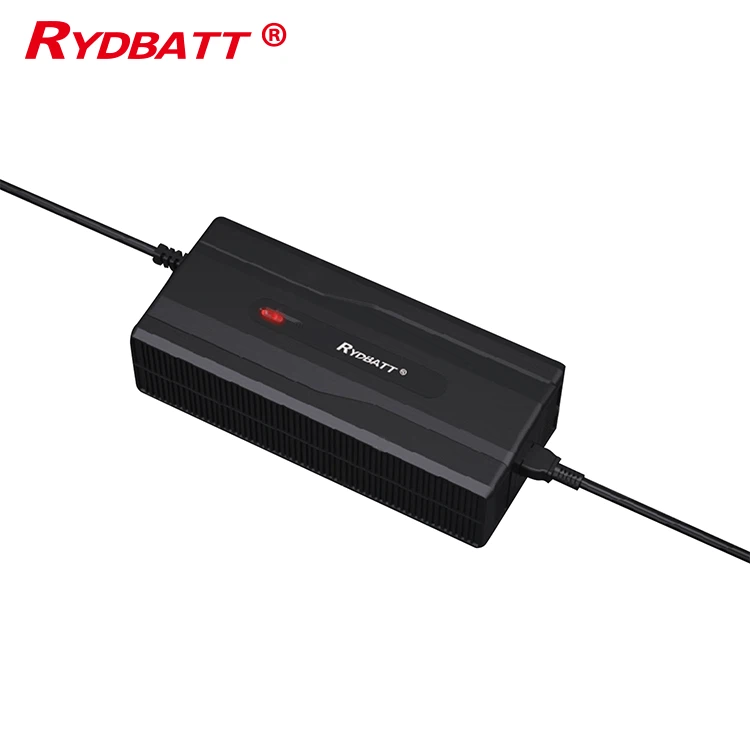
Our E - Bike Charger 42V 3A is designed to provide a constant voltage of 42 volts and a maximum current of 3 amperes. The charger is equipped with advanced charging algorithms to ensure the safe and efficient charging of lithium - ion batteries, which are commonly used in e - bikes. The charging process typically consists of three stages: constant current charging, constant voltage charging, and trickle charging.
Compatibility Factors
Voltage Compatibility
The first and most crucial factor to consider when determining charger - battery compatibility is voltage. Gel batteries typically have a nominal voltage of 12 volts per cell. A typical e - bike battery pack may consist of 3 or 4 cells connected in series, resulting in a nominal voltage of 36 volts or 48 volts, respectively. However, during the charging process, the battery voltage will increase. A fully charged 12 - volt gel battery can reach a voltage of around 13.8 - 14.4 volts per cell.
Our 42V charger is designed for lithium - ion batteries with a nominal voltage of 36 volts. When fully charged, a 36 - volt lithium - ion battery reaches a voltage of around 42 volts. Since the charging voltage of a gel battery is different from that of a lithium - ion battery, using a 42V charger for a gel battery can lead to overcharging. Overcharging a gel battery can cause the electrolyte to overheat, leading to the breakdown of the gel structure, loss of electrolyte, and ultimately, reduced battery life and performance.

Current Compatibility
In addition to voltage, the charging current is also an important factor. Our 42V 3A charger is capable of delivering a maximum current of 3 amperes. Gel batteries have specific charging current requirements, which are typically lower than those of lithium - ion batteries. Charging a gel battery with a high - current charger can cause excessive heat generation, which can damage the battery.
Risks of Using an Incompatible Charger
Using a 42V 3A charger for a gel battery can pose several risks:
- Overcharging: As mentioned earlier, the charging voltage of a gel battery is lower than that of a lithium - ion battery. Using a 42V charger can cause the battery to overcharge, leading to the breakdown of the gel electrolyte, loss of water, and the formation of lead sulfate crystals on the battery plates. This can significantly reduce the battery's capacity and lifespan.
- Overheating: Charging a gel battery with a high - current charger can cause the battery to overheat. Overheating can damage the battery's internal components, including the electrodes and the separator, and can also increase the risk of thermal runaway, a dangerous condition where the battery temperature rises uncontrollably.
- Safety Hazards: Overcharging and overheating can also pose safety hazards, such as the risk of fire or explosion. Gel batteries contain flammable electrolyte, and any damage to the battery can increase the risk of a fire or explosion.
Alternatives for Charging Gel Batteries
If you have a gel battery for your e - bike, it's recommended to use a charger specifically designed for gel batteries. These chargers are designed to provide the appropriate charging voltage and current for gel batteries, ensuring safe and efficient charging.
There are several chargers available in the market that are suitable for gel batteries. For example, you can check out our Li Ion Battery Charger 54.6 V, 54.6V 2A Charger, and 54.6V 5A Li - ion Smart Charger. Although these are initially designed for lithium - ion batteries, we also have a range of chargers for gel batteries that can be customized according to your needs.
Conclusion
In conclusion, it is not recommended to use the E - Bike Charger 42V 3A for a gel battery due to the differences in voltage and current requirements. Using an incompatible charger can lead to overcharging, overheating, and other safety hazards, which can significantly reduce the battery's lifespan and performance.
If you are unsure about the compatibility of a charger with your battery, it's always best to consult the battery manufacturer or a professional technician. As a supplier of high - quality e - bike chargers, we are committed to providing our customers with the best charging solutions. If you have any questions or need further assistance regarding charger - battery compatibility or our products, please feel free to contact us for a procurement discussion. We look forward to working with you to meet your charging needs.
References
- Linden, D., & Reddy, T. B. (2002). Handbook of Batteries. McGraw - Hill.
- Berndt, D. (2000). Valve - Regulated Lead - Acid Batteries. John Wiley & Sons.


