



In the dynamic landscape of power solutions, the need for reliable chargers is ever - present. As a supplier of the 54.6V 2A Charger, I am often asked about alternatives to this specific charger. This blog post aims to explore the various alternatives available in the market, their pros and cons, and how they compare to our 54.6V 2A charger.
Understanding the 54.6V 2A Charger
Before delving into alternatives, it's essential to understand the characteristics and applications of the 54.6V 2A charger. This charger is designed to provide a stable output voltage of 54.6 volts and a current of 2 amperes. It is commonly used for charging lithium - ion batteries, which are prevalent in a wide range of devices, from electric bicycles to some industrial equipment.
The 54.6V output is carefully calibrated to match the charging requirements of specific lithium - ion battery packs. The 2A current rating determines the charging speed; a higher current generally means faster charging, but it also needs to be within the battery's safe charging limits to prevent overheating and damage.
Alternatives Based on Output Voltage
Higher Voltage Chargers
One alternative could be a charger with a higher output voltage. For example, a charger with an output of 60V or more might seem appealing as it could potentially charge the battery faster. However, this approach comes with significant risks. Lithium - ion batteries are highly sensitive to over - voltage. If a battery is charged with a voltage higher than its rated value, it can lead to thermal runaway, a dangerous condition where the battery overheats and may even explode or catch fire.
Moreover, most lithium - ion battery management systems (BMS) are designed to work within a specific voltage range. A charger with a voltage outside this range may not be recognized by the BMS, and the charging process may not start at all.
Lower Voltage Chargers
On the other hand, using a charger with a lower output voltage, say 48V, will not be able to fully charge a 54.6V lithium - ion battery. The battery will only charge up to a certain level, and it will not reach its full capacity. This can lead to reduced battery performance and a shorter overall lifespan. The device powered by the battery may also experience reduced power output and shorter operating times.
Alternatives Based on Output Current
Higher Current Chargers
A 54.6V 5A Li - ion Smart Charger is a viable alternative in terms of current. With a 5A output, it can charge the battery much faster than a 2A charger. This is especially useful in applications where quick turnaround times are required, such as in commercial electric vehicle fleets.
However, there are some considerations. First, the battery must be capable of handling a 5A charging current. If the battery is not designed for high - current charging, it can overheat, which can damage the battery cells and reduce their lifespan. Second, the charging cable and connectors also need to be rated for the higher current to prevent overheating and voltage drops.
Lower Current Chargers
Using a charger with a lower current, like a 1A charger, will result in slower charging times. While this may not be a problem for some applications where the device is not in urgent need of a full charge, it can be a significant drawback in others. For example, in an electric bicycle used for daily commuting, a long charging time can be inconvenient and may disrupt the user's schedule.
Smart Chargers as an Alternative
Smart chargers, such as the Li Ion Battery Charger 54.6 V, offer a more intelligent approach to charging. These chargers are equipped with advanced electronics that can monitor the battery's state of charge, temperature, and other parameters. They can adjust the charging voltage and current dynamically to ensure safe and efficient charging.
For example, a smart charger can start with a higher current when the battery is at a low state of charge and gradually reduce the current as the battery approaches full charge. This helps to prevent over - charging and extends the battery's lifespan. Smart chargers also often have built - in protection mechanisms against over - voltage, over - current, and short - circuits.
Considerations When Choosing an Alternative
When considering an alternative to the 54.6V 2A charger, several factors need to be taken into account:
- Battery Compatibility: The charger must be compatible with the battery's voltage, current, and chemistry. Using an incompatible charger can damage the battery and pose a safety risk.
- Charging Speed Requirements: If fast charging is essential, a higher current charger may be the way to go. However, this needs to be balanced with the battery's ability to handle the higher current.
- Safety Features: Chargers with built - in safety features, such as over - voltage and over - current protection, are highly recommended. These features can prevent damage to the battery and the device being charged.
- Cost: Higher - performance chargers, such as smart chargers or those with higher current ratings, may be more expensive. The cost needs to be weighed against the benefits and the specific requirements of the application.
Our 54.6V 2A Charger Advantage
As a supplier of the 54.6V 2A charger, we understand the importance of reliability and safety. Our charger is designed and manufactured to meet the highest quality standards. It is precisely calibrated to provide a stable 54.6V output and a 2A current, ensuring safe and efficient charging of lithium - ion batteries.

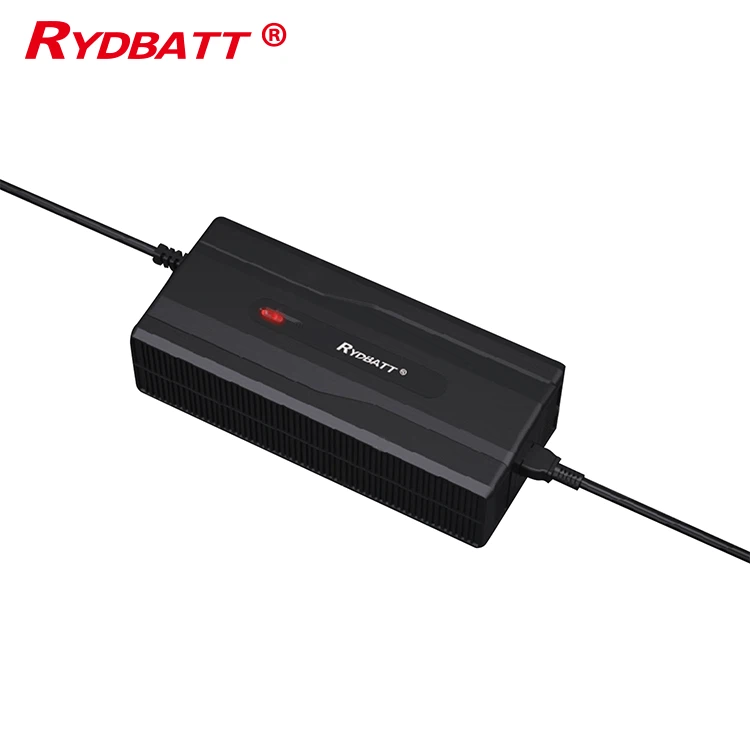
We also offer excellent customer support, and our chargers come with a warranty. Whether you are an individual user or a business looking for a reliable charging solution, our 54.6V 2A charger is a great choice.
Contact for Procurement
If you are interested in learning more about our 54.6V 2A charger or are looking for a customized charging solution, we encourage you to get in touch. We have a team of experts who can assist you in selecting the right charger for your specific needs.
References
- Battery University: A comprehensive resource for battery - related information, including charging principles and safety guidelines.
- International Electrotechnical Commission (IEC) standards on battery chargers, which provide guidelines for safe and efficient charger design.


